
It’s getting hot in here
There’s a lot to consider when it comes to guest safety, comfort, and accessibility in the summer heat
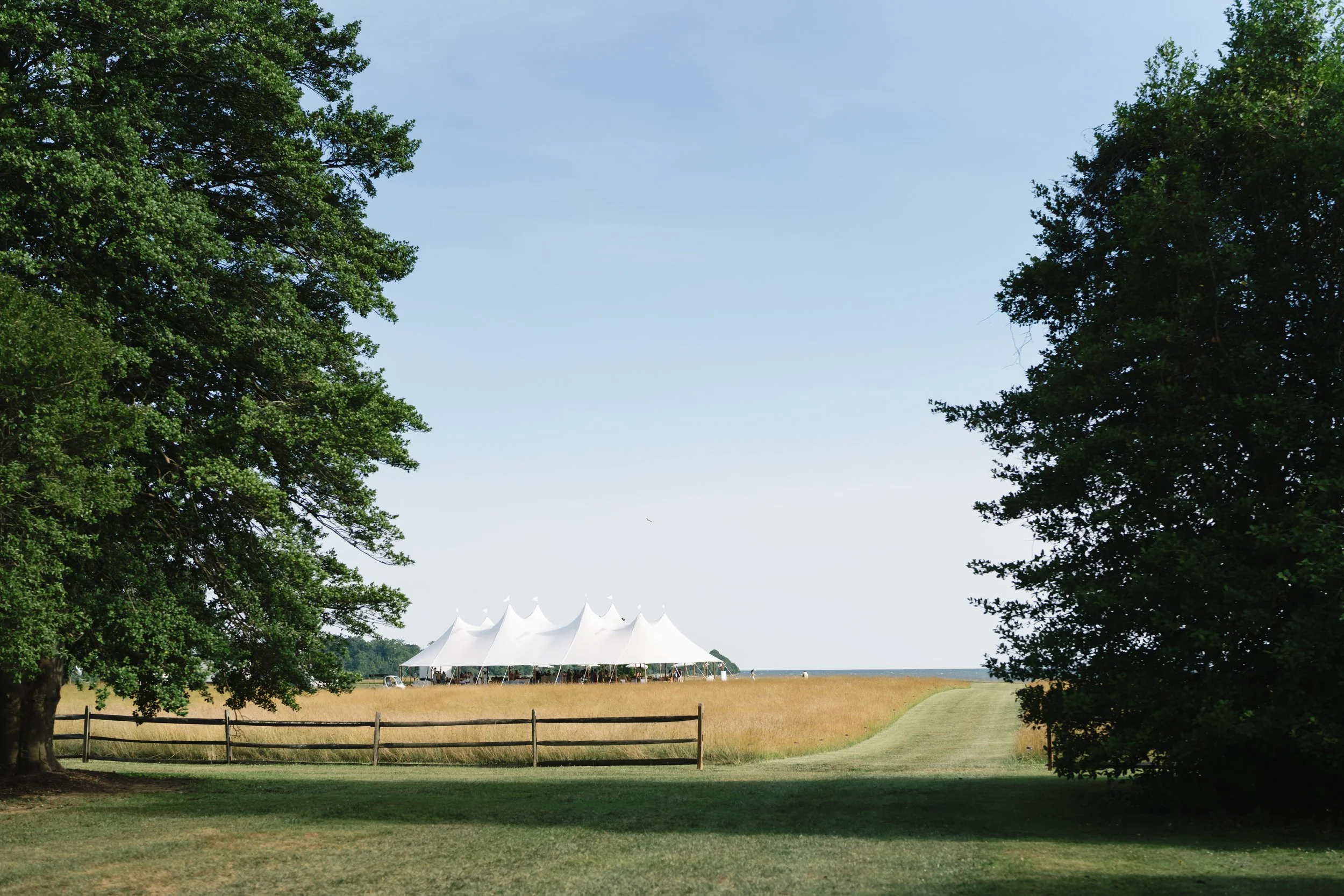
Outdoor weddings are beautiful with their golden light, open air, and a view that no ballroom can match or replicate. But an outdoor wedding held during peak summer heat isn't just a comfort issue, it’s a safety issue. For many guests, it's an accessibility issue too. As wedding professionals, we plan for inclement weather, which typically means rain. Yet, we need to plan for heat with the same seriousness as a rainy or stormy day. Because heat is one of the most dangerous, and most preventable, weather threats an event can face.
Heat is a bigger risk than most vendors realize
Heat doesn't get the same attention as hurricanes, floods, or tornadoes, but it is consistently one of the most dangerous weather-related hazards in the United States. The National Oceanic and Atmospheric Administration reports that heat causes an average of 702 deaths per year in the U.S. which is more than most other weather events combined (NOAA).
At an outdoor wedding, guests are often standing or sitting in direct sun for an hour-long (sometimes more!) ceremony, dressed in restrictive formalwear, and drinking alcohol at a reception that runs for several more hours. That combination of heat, dehydration, tight clothing, alcohol, and limited shade is exactly the recipe that leads to heat-related illness.
The Centers for Disease Control and Prevention (CDC) and NOAA both identify certain guests as higher-risk in the heat, including older adults, young children, pregnant guests, people with chronic health conditions, and people who have difficulty moving around or getting to shade or water quickly (NOAA). That last group is where accessibility and heat safety intersect. A guest using a wheelchair or mobility aid may not be able to simply "step into the shade" if the accessible seating area is the one spot left in full sun.
Know the warning signs:
Every on-site vendor should be able to recognize the difference between heat exhaustion and heat stroke. NOAA and the CDC break it down like this:
Heat cramps - Painful muscle cramps and heavy sweating. Move the person to a cooler area, apply gentle pressure or massage to the cramping muscle, and offer sips of water.
Heat exhaustion - Heavy sweating, weakness, cool or clammy skin, dizziness, nausea. Move the person out of the sun, loosen clothing, apply cool wet cloths to head and nape of neck, and give small sips of water. If vomiting continues, seek medical attention.
Heat stroke - This is a medical emergency. Warning signs include confusion, a throbbing headache, no longer sweating, a body temperature of 106°F or higher, a rapid pulse, and possible loss of consciousness. Call 911 immediately. Move the person to shade or air conditioning and begin cooling them with water or fans, while help is on the way. Do not give fluids to someone who is losing consciousness. (NOAA)
Building a heat plan into your event timeline
A heat plan isn't a single checklist item. It's a set of decisions made during planning, and again on the day of, based on the actual forecast.
Check the heat index, not just the temperature. The heat index is what the temperature actually feels like when humidity is factored in, and it’s what determines real risk. NOAA's National Weather Service publishes a heat index chart and safety guidance at weather.gov/safety/heat-index. As a general guide: 80–90°F starts to bring fatigue risk with prolonged exposure; 90–105°F raises real risk of heat exhaustion; above 105°F, heat stroke becomes a genuine possibility for guests standing or seated outdoors for an extended ceremony.
Build shade into the ceremony layout, not just the cocktail or reception. A shaded reception tent doesn't help a guest who just spent 45 minutes in full sun for photos and a ceremony beforehand. Shade structures, tree cover, or a shifted ceremony time should be considered wherever guests will be stationary for more than a few minutes.
Move ceremony timing out of peak heat where possible. Late morning and late afternoon are cooler than midday. If a couple's heart is set on a 1pm ceremony in July, that's a conversation worth having early, not a surprise on-site.
Plan hydration like you plan the bar. Water stations should be visible, accessible, and stocked before guests arrive, not something a guest has to ask a server to find. This matters even more for guests whose mobility means they can't easily get up and walk to find water themselves.
Make sure the accessible seating area has shade too. This is the detail most heat plans miss. If accessible seating is placed at the back or side of a ceremony space "because that's where there was room," check whether that spot also happens to be the only one without shade. Guests who use mobility aids are often the ones least able to relocate themselves mid-ceremony if they start to overheat.
Have a plan for extreme heat days, not just a hope. Know your venue's backup indoor space or your tent's cooling options before the week of the wedding. A heat plan that only exists in a couple's head "just in case" is not a plan.
This is a hospitality issue, not just a weather issue
Heat safety isn't about ruining the aesthetic of an outdoor wedding. It's about proving, in a very concrete way, that a couple and their vendor team actually thought about every guest in that seating chart, not just the photos. A shaded, hydrated, well-planned outdoor wedding is still beautiful. It's just also one where every guest can safely stay for the whole celebration.
Aisle for All is a 501(c)(3) nonprofit dedicated to educating wedding professionals on accessibility and inclusion. This post is for general awareness and is not a substitute for medical guidance. If you or a guest experience symptoms of heat-related illness, seek medical attention immediately.
Sources:
